
-
Trusted by industry leaders worldwide.
It’s an honour made possible by the exceptional people we work with every day. Who We Are
Auxo is a STEMx workforce solutions provider for future-focused industries. We help businesses across technology, engineering and infrastructure build strong teams through specialist recruitment, project delivery and flexible workforce solutions powered by Auxo XPO. Our goal is simple: to help the industries shaping tomorrow grow through people.


Specialisms Shaping Tomorrow’s Industries


Solutions Beyond
Talent Acquisition


We question the status quo, push boundaries, and hold ourselves and our partners to higher standards.

We invest in our people, our clients, and our communities, driving progress that builds capability and confidence.

We don’t fold under pressure; we turn difficult work into meaningful progress.

By the
Numbers
spoken by our teams
4
Our Leadership
Auxo Group is led by a team of exceptional leaders united by a shared vision: to drive growth, empower people, and shape the future of talent.


-
Careers at Auxo
Auxo is built by people who believe in challenge, growth and making a difference. With our global scale, sector expertise and entrepreneurial spirit, we’re helping create real value for our clients, candidates and colleagues.
Diversity, Equity, Inclusion & Belonging
We’re creating a workplace where everyone has the opportunity to grow, lead and be heard.
By embedding diversity, equity, inclusion and belonging into how we hire, develop and collaborate, we’re cultivating innovation that thrives across every part of our business.

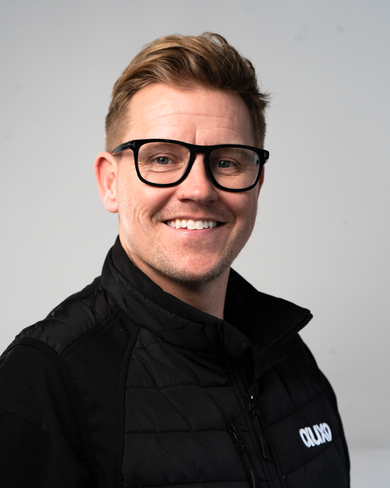
The world has never been more unpredictable. The roles we’re filling and teams we are building will be different this time next year. And probably the same the year after that. And a truly agile, modern workforce solutions provider needs to recognise that and set themselves up accordingly. Which is exactly why I’m so excited about what we’re doing at Auxo.
Ford Garrard
CEO
Any other concerns?
Global Opportunities
Auxo Technology, Advanced Engineering, Frontier, Future Build
Auxo Technology & Future Build
Auxo Technology
Closing soon.
London
Auxo Group is headquartered out of Watford, London UK. We have a further 14 locations across the UK including Manchester and Central London. All our group businesses were founded in the UK and continue to have strong roots here.
Durban
Durban is home to our international internal business support hub alongside our BPO business. BPO offers clients and partners bespoke offshored business support services.
Dubai
Dubai is the home to the majority of our MEA team. The team are mainly focused on Technology and Innovation recruitment through RP International who have been operating in the region for over two decades.
Kuala Lumpur
KL is our Asia HQ. The team are mainly focused on Technology and Innovation recruitment through RP International who have been operating in the region for over two decades.
Singapore
Singapore is one of our core offices in the Asia region. The team are mainly focused on Technology and Innovation recruitment through RP International who have been operating in the region for over two decades.
Sydney
Sydney serves as the springboard for our Australian operations. It is home to MCG Healthcare – APAC our healthcare business and RP International our Technology and Innovation business who have been operating in the region for over a decade.
Auckland
Auckland serves as the springboard for our New Zealand operations. It is home to RP International our Technology and Innovation business who have been operating in the region for over a decade.
Atlanta
Atlanta serves as the springboard for our Americas business operations, providing a critical hub for our activities on the continent.
Riyadh
Riyadh is our Saudi Arabia office. The team are mainly focused on Technology and Innovation recruitment through RP International who have been operating in the region for over two decades.
Stuttgart
Stuttgart serves as the springboard for our European business operations, providing a critical hub for our activities on the continent.
Insights
Search by tags


